Why Investors Watch the SOX Index Alongside Samsung Electronics and SK hynix
The Philadelphia Semiconductor Index, or SOX, is a useful barometer for global chip sentiment. For Korean investors following Samsung Electronics and SK hynix, it often helps explain why semiconductor stocks move together across markets.
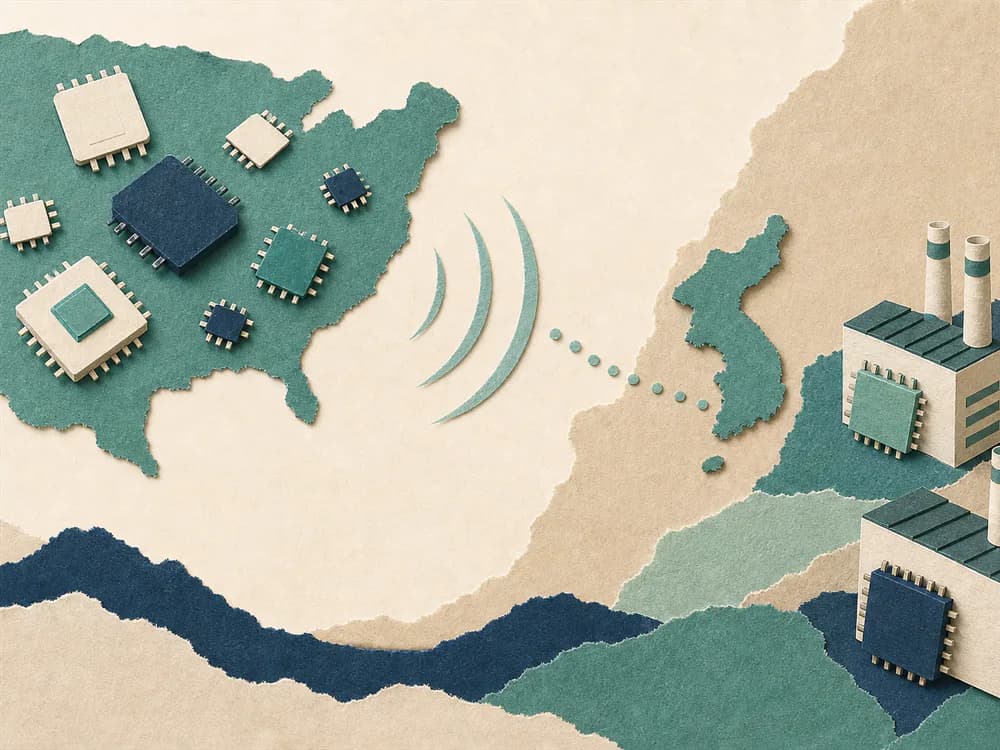
The SOX Index in Plain English
When Korean market news talks about the SOX index, it usually means the Philadelphia Semiconductor Index in the U.S. It tracks a basket of major semiconductor-related companies listed in America, including chip designers, manufacturers, and equipment makers.
A simple way to think about it: SOX is a temperature gauge for the global chip industry. It does not tell you everything, but it gives you a quick read on whether the sector is broadly heating up or cooling down.
Why Korean Semiconductor Stocks Care About It
For readers following Samsung Electronics and SK hynix, SOX matters because the semiconductor industry is deeply connected across borders.
Korean chipmakers are not isolated from U.S. demand, U.S. technology spending, or global inventory cycles. If chip-related stocks in the U.S. rise because investors expect stronger demand, that optimism often spills over into Korean semiconductor names as well. The reverse can also happen when the market starts worrying about weaker demand, inventory corrections, or slower tech spending.
This does not mean the SOX index decides the daily direction of Korean stocks. But it often shapes the mood around the sector.
Why the Connection Is So Strong
There are a few reasons the link is so visible:
- Global supply chains are integrated. Chips designed, produced, or packaged in different countries still end up in the same technology products.
- Memory chips are cyclical. Samsung Electronics and SK hynix are especially important in memory semiconductors, which tend to move in broad industry cycles.
- U.S. tech demand matters. When American tech companies spend more on servers, devices, and AI infrastructure, the market often reads that as good news for the broader chip ecosystem.
- Investor sentiment travels fast. In Korea, many large institutional and foreign investors watch the same global signals, so sector sentiment can spread quickly from Wall Street to the KOSPI.
A Simple Example
Imagine global demand for smartphones, PCs, and cloud servers starts improving. U.S. semiconductor shares may rise first, pushing the SOX index higher.
Korean investors then often interpret that move as a sign that the broader chip cycle is improving. That can lift expectations for companies like Samsung Electronics and SK hynix, which are major suppliers in the memory market.
But the relationship is not one-to-one.
A strong SOX session in the U.S. does not guarantee that Samsung Electronics or SK hynix will rise the next day. Local factors can matter just as much, including:
- earnings announcements,
- exchange-rate moves,
- company-specific guidance,
- domestic market sentiment,
- and broader KOSPI or KOSDAQ flows.
How Korean Market Commentators Use It
In Korea, market headlines often treat SOX as a shortcut for explaining semiconductor sentiment. That is useful, but only if you understand what it is and what it is not.
The index is best used as a context tool, not a prediction tool.
If SOX is strong, it often suggests that investors are more comfortable with the chip cycle. If SOX weakens, it may signal caution about demand, margins, or industry pricing. Korean traders and analysts may then use that backdrop to interpret moves in Samsung Electronics and SK hynix.
Terms Foreign Investors May See in Korean News
KOSPI and KOSDAQ
- KOSPI is Korea’s main stock market, similar in role to the S&P 500 or a large-cap benchmark in other markets.
- KOSDAQ is more focused on smaller, growth-oriented, and tech-related companies.
Samsung Electronics is a heavyweight in KOSPI, while semiconductor sentiment can also influence related names across both markets.
Foreign Net Buying
Korean news often mentions foreign net buying, which means overseas investors bought more shares than they sold in a given period. Because major Korean semiconductor stocks are heavily traded by global institutions, foreign flows can help amplify moves tied to SOX sentiment.
Disclosure Timing
Korean companies usually release material information through formal disclosures at scheduled times or soon after an important event. For investors, this means global sector signals like SOX may influence trading before local company updates arrive.
What to Watch Instead of Just the Headline
If you want to understand Korean semiconductor stocks more clearly, look at SOX together with a few other signals:
- Overnight U.S. semiconductor moves
- Earnings and guidance from major chip firms
- Memory chip pricing trends
- Won-dollar exchange rate changes
- Foreign investor activity in KOSPI
Together, these give a much better picture than any single index.
Bottom Line
The SOX index matters because it reflects the health of the global semiconductor industry, and Korean chipmakers are tightly tied to that cycle. For investors watching Samsung Electronics and SK hynix, SOX is not a crystal ball, but it is one of the most useful early signals in the market.
If you read Korean stock news regularly, keeping an eye on SOX can make the headlines easier to understand.
Quick Summary
- SOX is the Philadelphia Semiconductor Index, a global chip-sector benchmark.
- It helps explain the mood around Samsung Electronics and SK hynix.
- The relationship is strong because the semiconductor industry is globally connected.
- SOX is useful for context, but it does not predict individual stock moves on its own.
This article is for educational purposes only and does not provide investment, tax, legal, or brokerage advice.
Continue reading
- 01
- 02
- 03